Deliberative Democracy for
School Change
How can young people prepare to design the future—democratically?
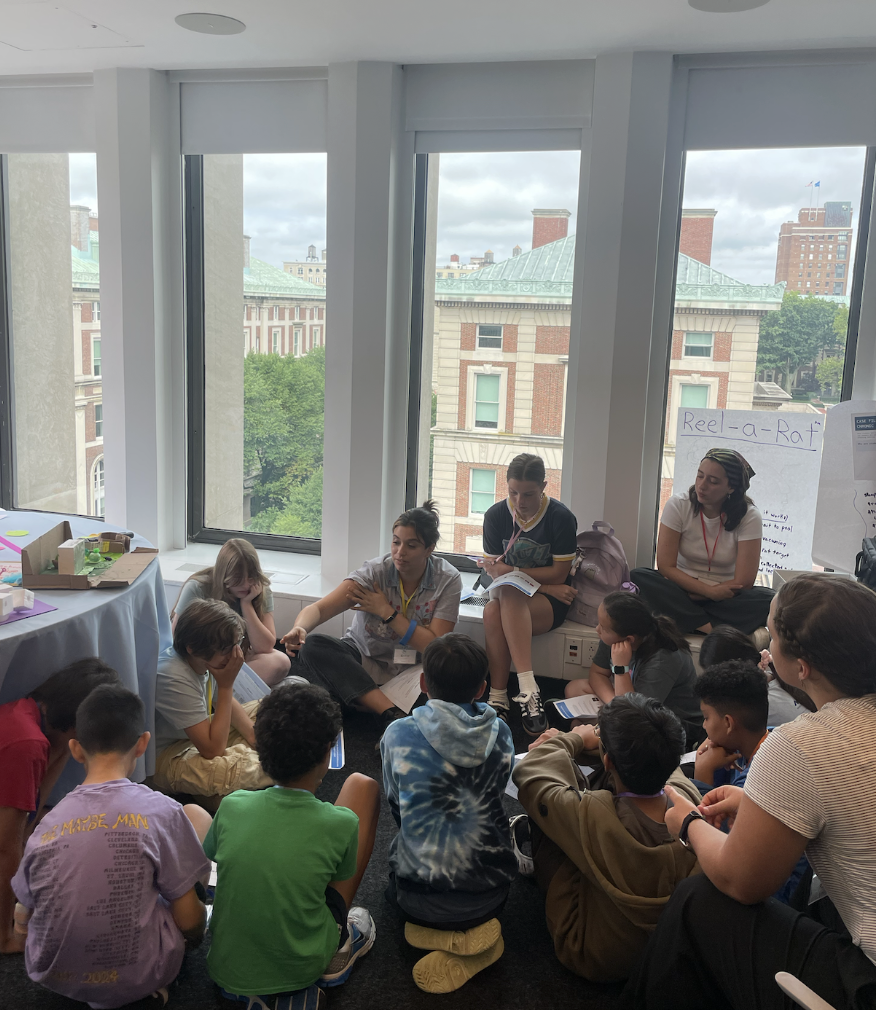
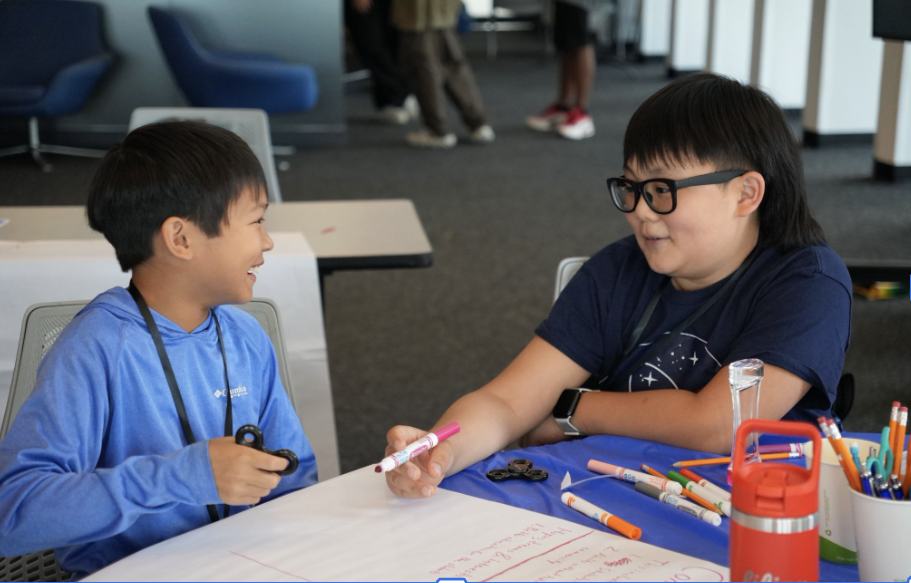
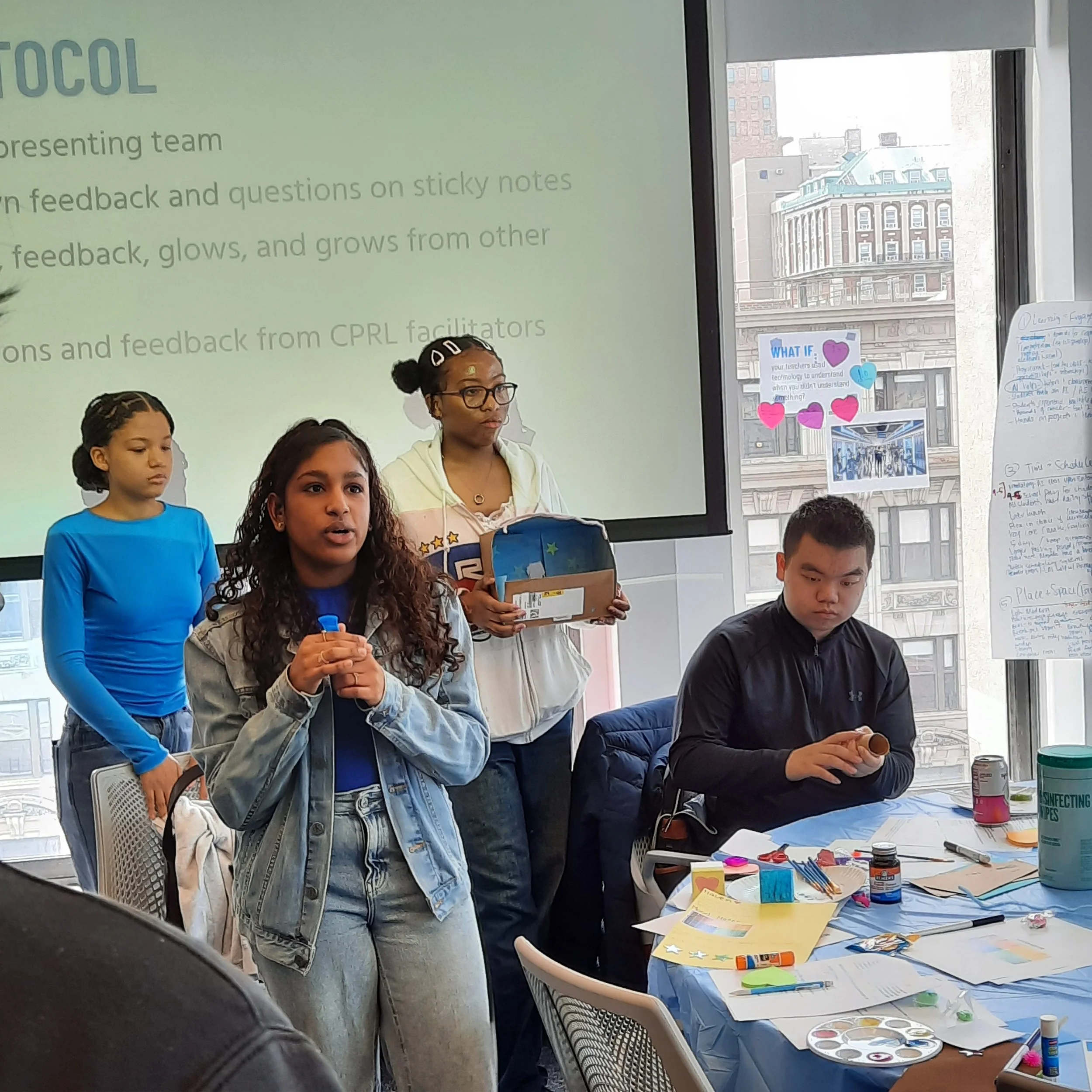
The Carnegie Youth Deliberative Democracy Project supports middle and high school youth leaders as they apply democratic skills to reimagine and lead change in their schools and communities. Through a series of hands-on workshops, students engage in collaborative problem-solving in diverse teams, honing the competencies they’ll need to participate actively in civic life in a pluralistic society. To date, the Project has served over 250 middle and high school students.
Access the implementation toolkit free on this website and bring the program to your community!
Building skills to build tomorrow, together.
What does a dream school look like?
In dozens of Carnegie Youth Deliberative Democracy Project workshops, young people put their democratic problem-solving skills to the test as they engaged in the Blueprint Challenge: a collaborative project to identify challenges in today’s education systems and codesign a dream school to address them. While each Blueprint was unique, a number of powerful themes emerged across projects.
-
Participants dream of schools that prepare them for life beyond graduation. Student choice and agency are a critical element of this vision: Participants want to shape their own educational journeys, through vocational training, college-level coursework, and internships that make learning tangible. They imagine schools that weave career exploration into the fabric of the school day.
-
Participants want learning to feel purposeful and connected to real life. In their dream schools, the "why" behind every lesson is clear. Hands-on, collaborative, and immersive experiences replace passive instruction, as young people have opportunities to grapple with real-world problems. Above all, schools treat engagement and fun as a core priority, with teachers who are genuinely interested in student perspectives on what makes learning feel meaningful.
-
Students want schools that recognize the toll of academic pressure and actively build relief into the structure of the school day through flexible pacing, limits on homework and testing, and spaces designed for rest and socialization. They imagine assessment approaches that reduce anxiety without sacrificing rigor–like portfolios that let them demonstrate mastery on their own terms.
-
Students dream of schools that proactively build the conditions for belonging via small advisory groups, inter-grade mentorship, and structured time for genuine connection. Participant Blueprints captured a number of interventions to ensure community is a core component of the educational mission, including new clubs and tools that could make it easier to find peers who share their interests and to report harm without fear.
-
Participants imagine schools where students have the power to shape their educational experiences. In their Blueprints, participants proposed an array of approaches to enacting this vision, including student government with meaningful authority, opportunities for all students to provide regular input on policies and lesson plans, and anonymous feedback channels to ensure every voice is heard without fear of repercussion. And they want to be taken seriously as partners in designing personal learning journeys, with opportunities to decide what and how they learn by picking pathways that reflect their personal interests, goals, and learning styles.